When you think about sugar, what comes to mind?
Maybe it's chocolate, cookies, cakes, ice cream, or your favorite sweet drink.
These are some of the obvious sources of sugar in our diets. But there's another side to the conversation that is easy to overlook.
Sugar can also appear in foods that don't necessarily taste sweet.
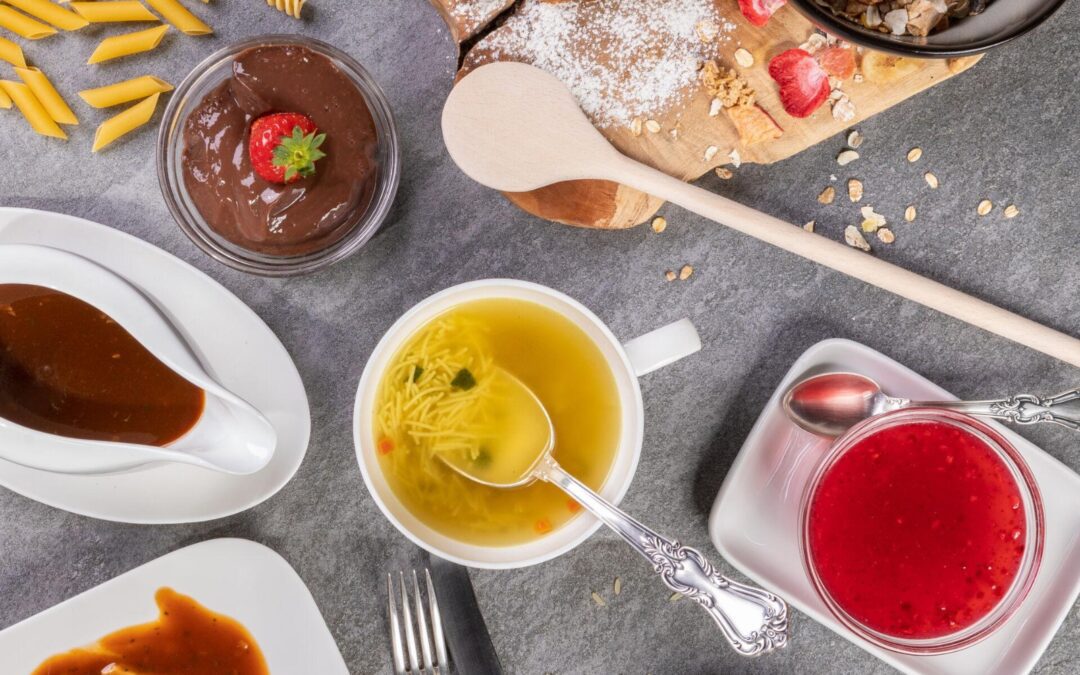
Your breakfast cereal. Your flavored yogurt. A bottled salad dressing. A jar of pasta sauce. Even some packaged breads.
These foods may be part of your regular grocery shopping routine, and you might not always think to check how much added sugar they contain.
This doesn't mean these foods are unhealthy or that you need to stop buying them. It simply means that understanding food labels can help you make more informed choices.
At Plant Candy, we believe that knowing more about everyday ingredients is one practical way to build a better relationship with food.
So, let's look at where added sugars can hide, what to look for on food labels, and how to become a more confident grocery shopper.
Why Sugar Isn't Always Where You Expect It
Sugar is commonly associated with desserts and sweet treats, but manufacturers also use different types of sugar in many packaged foods.
Depending on the product, sugar may be added to improve sweetness, flavor, texture, color, or overall product appeal.
For example, a pasta sauce may contain added sugar to balance the acidity of tomatoes. A flavored yogurt may contain added sugar to improve its taste. Some breakfast cereals contain sugar as part of their flavoring.
The important distinction is that not all sugars found in food are added sugars.
Some foods naturally contain sugars. Fruits contain fructose, while milk contains lactose. These naturally occurring sugars are included in the total sugars figure on a Nutrition Facts label.
Added sugars, on the other hand, are sugars and syrups added during food processing, preparation, or packaging.
Understanding this difference makes it easier to interpret what you're seeing on a food label..
7 Everyday Foods That May Contain Added Sugars
You don't have to buy desserts or candy to come across added sugars. Some everyday grocery items may contain them, too.
Here are seven categories worth checking.
1. Breakfast Cereals and Granola
Breakfast cereals are often marketed as convenient breakfast options. Some are also promoted as whole-grain or high-fiber products.
However, certain varieties contain added sugars, including flavored cereals and some granolas.
Honey, brown sugar, corn syrup, and other sweeteners may be included in the ingredients.
What to check: Compare the added sugars per serving across different products. Also look at the serving size, since the amount you actually pour into a bowl may be different from the serving listed on the package.
2. Flavored Plant-Based Yogurt
Yogurt can be a convenient source of protein and calcium, depending on the variety.
However, flavored yogurt may contain added sugar in addition to the naturally occurring lactose in milk.
Fruit-flavored varieties, dessert-style yogurt, and some yogurt drinks are worth checking.
What to check: Compare flavored yogurt with plain, unsweetened yogurt. You can add fresh fruit, cinnamon, or a small amount of another preferred topping at home if you want more control over the sweetness.
3. Bottled Salad Dressings
Salad dressing is another product that may contain added sugars.
Some bottled dressings, especially sweet or honey-flavored varieties, include ingredients such as sugar, honey, corn syrup, or other sweeteners.
What to check: Look at the added sugars per serving and compare different varieties. You can also make a simple homemade dressing using lemon juice, tahini, herbs, garlic, and a little water.
4. Packaged Pasta Sauces
Pasta sauces made with tomatoes may contain added sugar.
Manufacturers sometimes add sugar to balance the natural acidity of tomatoes or create a particular flavor profile.
This doesn't mean every jarred pasta sauce contains added sugar, or that you need to avoid convenient sauces.
What to check: Compare the Nutrition Facts labels and ingredient lists of different brands. Look for plain tomato-based options if you prefer to limit added sweeteners.
5. Packaged Bread
Bread isn't always sweet, but some packaged varieties contain added sugars.
This can include sandwich bread, burger buns, rolls, and other bakery products.
Ingredients such as sugar, honey, molasses, and syrups may be used in certain recipes.
What to check: Compare similar bread products and check the added sugars per serving. Also consider the fiber content and whether whole grains are among the main ingredients.
6. Sauces and Condiments
Ketchup, barbecue sauce, sweet chili sauce, and some marinades can contain added sugars.
These products are often used in small amounts, but their sugar content can still be worth understanding, especially if you use them regularly.
What to check: Pay attention to serving sizes. A label may list sugar content for a small serving, while you may use more at home.
7. Packaged Snack Bars
Some granola bars, breakfast bars, and snack bars contain added sugars from ingredients such as syrups, honey, chocolate coatings, and sweetened fruit preparations.
Others may contain nuts, seeds, oats, and dried fruit with relatively little added sugar.
What to check: Compare added sugars, fiber, and serving sizes. A product's name or front-of-package description doesn't tell you the complete nutritional picture.
How to Read the Nutrition Facts Label
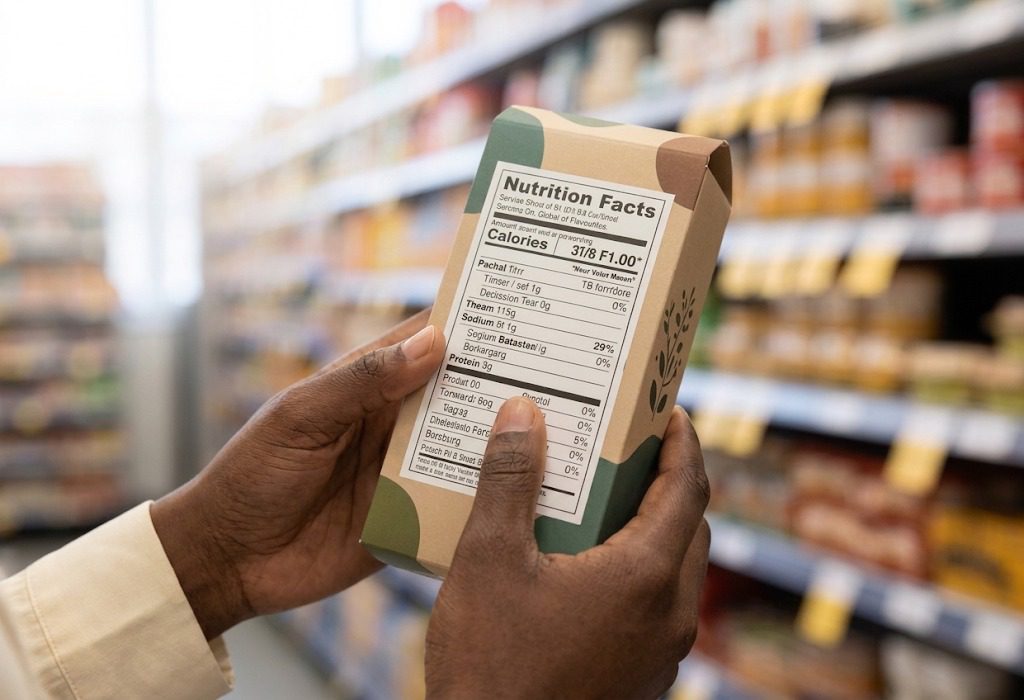
One of the easiest ways to understand the sugar content of packaged foods is to learn to read the Nutrition Facts label.
In the United States, the FDA requires most packaged foods to display nutrition information in a standardized format.
When checking sugar, focus on three things.
Total Sugars
Total sugars include both naturally occurring sugars and added sugars.
For example, plain milk contains natural lactose. A plain yogurt may also contain naturally occurring sugars from milk.
These sugars are included in the total sugars figure.
Added Sugars
This is the figure to pay particular attention to when you want to understand how much sugar has been added during processing or preparation.
The label may show it underneath total sugars.
For example:
| Nutrition Facts | Example amount |
| Total Sugars | 12g |
| Includes Added Sugars | 6g |
In this example, the product contains 12 grams of total sugars, of which 6 grams are added sugars.
The remaining sugar may come from naturally occurring sources.
This distinction is especially useful when comparing products such as flavored yogurt, breakfast cereals, and packaged foods.
Serving Size
Serving size is another important detail.
The nutrition information on the label is based on the serving size shown, not necessarily the amount you will eat or drink.
For example, if a bottle contains two servings and you drink the entire bottle, you may consume twice the listed amount of sugar.
Always check the serving size before interpreting the numbers.
What Does Percent Daily Value Mean?
You may have noticed the percentage figures on the right side of a Nutrition Facts label.
These are called Percent Daily Values (%DV).
They help show how much a nutrient in one serving of food contributes to a general daily reference amount.
For added sugars, the FDA uses a Daily Value of 50 grams, based on a 2,000-calorie diet.
As a general label-reading guide:
- 5% DV or less is considered low.
- 20% DV or more is considered high.
For example, if a product contains 10 grams of added sugar per serving, that represents 20% of the Daily Value.
This is a useful comparison tool when choosing between similar products.
However, the 50-gram Daily Value is a general reference for interpreting labels, not an individual nutrition target. Personal needs can vary.
Sugar Can Appear Under Different Names
One reason added sugars can be easy to overlook is that they don't always appear simply as the word "sugar" in an ingredient list.
Depending on the product, you may see:
- Cane sugar
- Brown sugar
- Corn syrup
- High-fructose corn syrup
- Glucose
- Fructose
- Dextrose
- Maltose
- Honey
- Molasses
- Maple syrup
- Rice syrup
- Fruit juice concentrate
You don't need to memorize every possible name.
Instead, become familiar with the ingredient list and pay attention to ingredients that indicate added sweeteners.
One helpful thing to remember is that ingredients are generally listed in descending order by weight. This means ingredients used in larger amounts appear closer to the beginning of the list.
If a sweetener appears among the first few ingredients, it may be a significant part of the product.
Also, don't assume that a product is free of added sugars simply because it uses honey, maple syrup, or another alternative sweetener. These still count as added sugars on the Nutrition Facts label.
Simple Ways to Make More Informed Grocery Choices
Understanding food labels shouldn't turn grocery shopping into a stressful activity.
You don't have to inspect every product in your cart or spend an extra hour in the supermarket.
A few simple habits can help.
Compare Similar Products
If you're buying breakfast cereal, compare two or three options.
Look at their serving sizes, added sugars, fiber, and other nutrients that matter to you.
The same approach works for yogurt, pasta sauces, bread, and packaged snacks.
Don't Judge a Product by Its Front Label
Words such as natural, wholesome, multigrain, and made with real fruit can make a product sound appealing.
But these descriptions don't tell you everything about its nutritional content.
Turn the package around and check the Nutrition Facts label and ingredient list.
Try Plain Versions of Frequently Purchased Foods
For some products, choosing an unsweetened version gives you more flexibility.
Plain yogurt, unsweetened oatmeal, and simple tomato puree are examples.
Then add your preferred ingredients at home.
Fresh berries, bananas, cinnamon, nuts, and seeds can add flavor and variety to breakfast foods.
Pay Attention to Portions
The amount listed on the label may not match the amount you normally eat.
Checking serving sizes helps you understand how much of each nutrient you're actually getting.
Include More Whole Foods
Fresh fruits, vegetables, beans, lentils, nuts, and whole grains are useful ingredients to keep in your regular meal rotation.
They can add fiber, vitamins, minerals, and variety to meals.
Remember, the naturally occurring sugars in whole fruits are not the same as added sugars. There's no need to avoid fruit because it contains natural sugar.
Recipe of the Week
Fresh Tomato & Chickpea Pasta
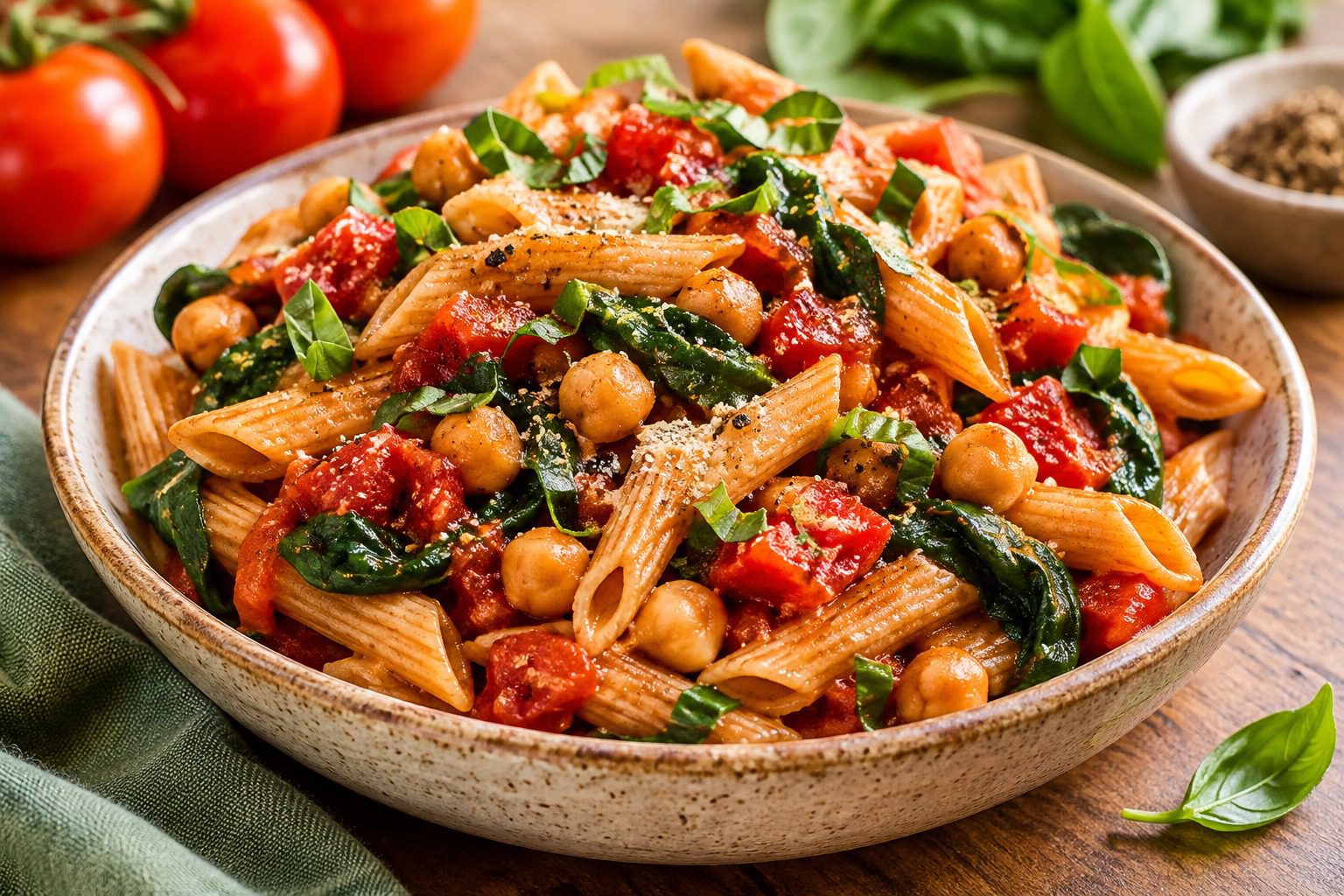
Reading food labels is useful, but so is knowing how to prepare satisfying meals using everyday ingredients.
This fresh tomato and chickpea pasta is a simple option for lunch or dinner.
It combines whole-grain pasta, chickpeas, fresh tomatoes, garlic, and spinach for a meal that brings together carbohydrates, plant protein, and fiber.
It's also a reminder that you can create a flavorful pasta sauce at home without relying on a jarred sauce.
Ingredients
- 8 ounces whole-grain pasta
- 1 small onion, finely chopped
- 2 cloves garlic, minced
- 4 medium fresh tomatoes, chopped
- 1 can (15 ounces) chickpeas, drained and rinsed
- 2 cups fresh spinach
- ½ cup vegetable broth, plus more as needed
- ½ teaspoon paprika
- ½ teaspoon ground cumin
- ¼ teaspoon black pepper
- Salt to taste
- Fresh herbs, such as parsley or basil, for garnish (optional)
Instructions
- Cook the pasta according to the package instructions. Reserve about ½ cup of the pasta water before draining.
- Place a large pan over medium heat. Add a splash of vegetable broth and the chopped onion. Cook for 3–4 minutes until softened.
- Add the garlic and cook for another 30 seconds.
- Add the chopped tomatoes, paprika, cumin, black pepper, and a little salt. Stir and cook for about 5–7 minutes until the tomatoes begin to soften and break down.
- Add the chickpeas and vegetable broth. Stir well and allow the mixture to simmer for another 5 minutes.
- Add the spinach and cook until wilted.
- Add the cooked pasta and toss until everything is well combined. If the sauce is too thick, add a little reserved pasta water.
- Taste and adjust the seasoning.
- Finish with fresh herbs if desired and serve warm.
Why this recipe works:
- Chickpeas: Provide plant protein and dietary fiber.
- Fresh tomatoes: Add flavor and nutrients, including vitamin C.
- Spinach: Contributes vitamins, minerals, and variety.
- Whole-grain pasta: Provides carbohydrates and more fiber than many refined pasta varieties.
It's fresh, filling, and made with ingredients you can find in many grocery stores.
Recipe Storage Tip
Refrigerate leftover pasta within two hours of cooking in a clean, covered container.
Keep it at 40°F (4°C) or below and use within 3–4 days. Reheat thoroughly before serving.
A Quick Food Safety Reminder
While checking packaged foods at the grocery store, remember to pay attention to more than the nutrition label.
Before buying a product:
- Check the expiration or best-before date.
- Make sure the packaging is intact and not damaged.
- Follow the storage instructions on the label.
- Refrigerate products that require refrigeration.
- Once a product is opened, follow the manufacturer's storage guidance.
For products such as yogurt, milk, and refrigerated sauces, make sure they remain properly chilled during shopping and transportation.
Food safety is part of making informed food choices, too.
Your Small Grocery Shopping Challenge
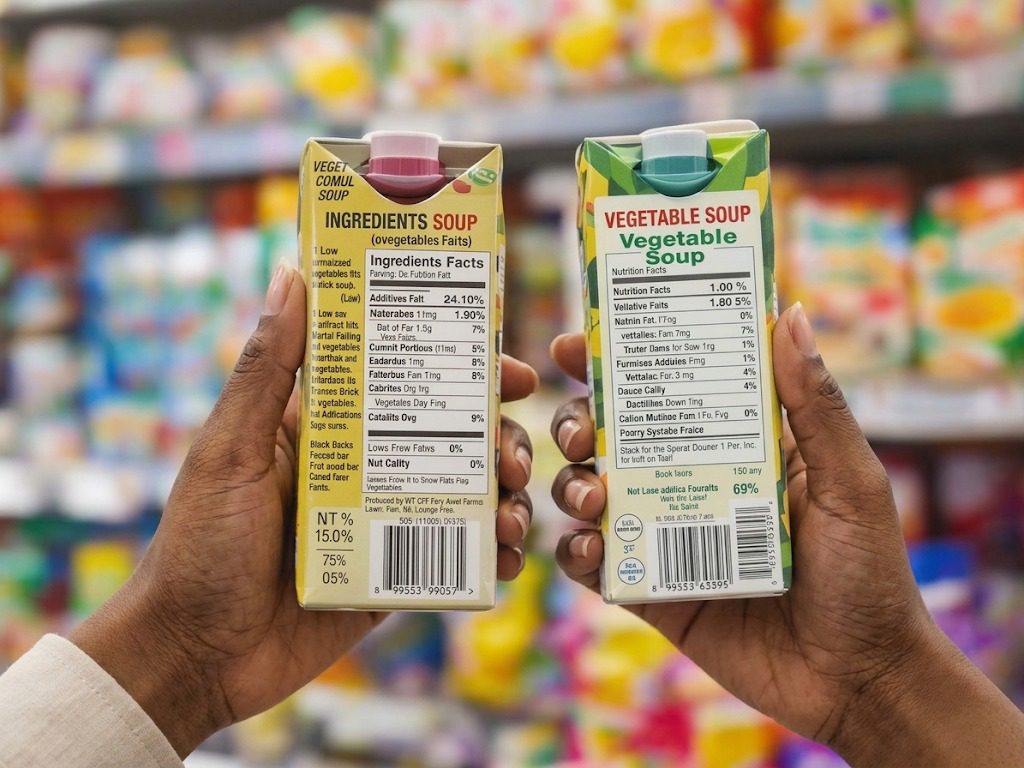
Here's something you can try the next time you visit the grocery store.
Choose three packaged foods you regularly buy.
They could be:
- Your usual breakfast cereal.
- A flavored yogurt.
- Your favorite pasta sauces.
Check the serving size, total sugars, and added sugars on each label.
Then take a look at the ingredient list.
Did anything surprise you?
You might discover that one product contains less added sugar than you expected, while another contains more.
The point isn't to judge your current shopping habits or throw away everything in your pantry.
It's simply to become more aware of what you're buying.
Small moments of awareness can help you make choices that better reflect your preferences and needs.
Understanding Food Is a Step Toward Eating with More Confidence
Sugar is not something you need to fear, and knowing how to read a food label doesn't mean you have to become overly concerned about every ingredient.
It simply gives you more information.
When you understand the difference between total sugars and added sugars, recognize common sweeteners, and pay attention to serving sizes, grocery shopping becomes a little easier to navigate.
You can enjoy the foods you love while becoming more aware of what's in the products you buy.
At Plant Candy, we believe that better food choices start with knowledge, practical ideas, and small steps that fit into everyday life.
You don't have to change everything at once. Start by turning over one package the next time you're shopping.
You may learn something useful.
Don't Forget About Eating Out
Fall also brings a full calendar.
Work events.
Family gatherings.
Weekend activities.
Football games.
Dinners with friends.
Travel.
You won't always be eating the meal you planned at home, and that's okay.
A sustainable approach to eating has to work outside your kitchen too.
That's why You Can Eat Here is such a useful resource.
It was created to help you navigate restaurants, fast food, fine dining, different cuisines, travel, social occasions, and everyday situations where you want to make a satisfying choice without overthinking every ingredient.
Because seasonal eating shouldn't mean staying home all season.
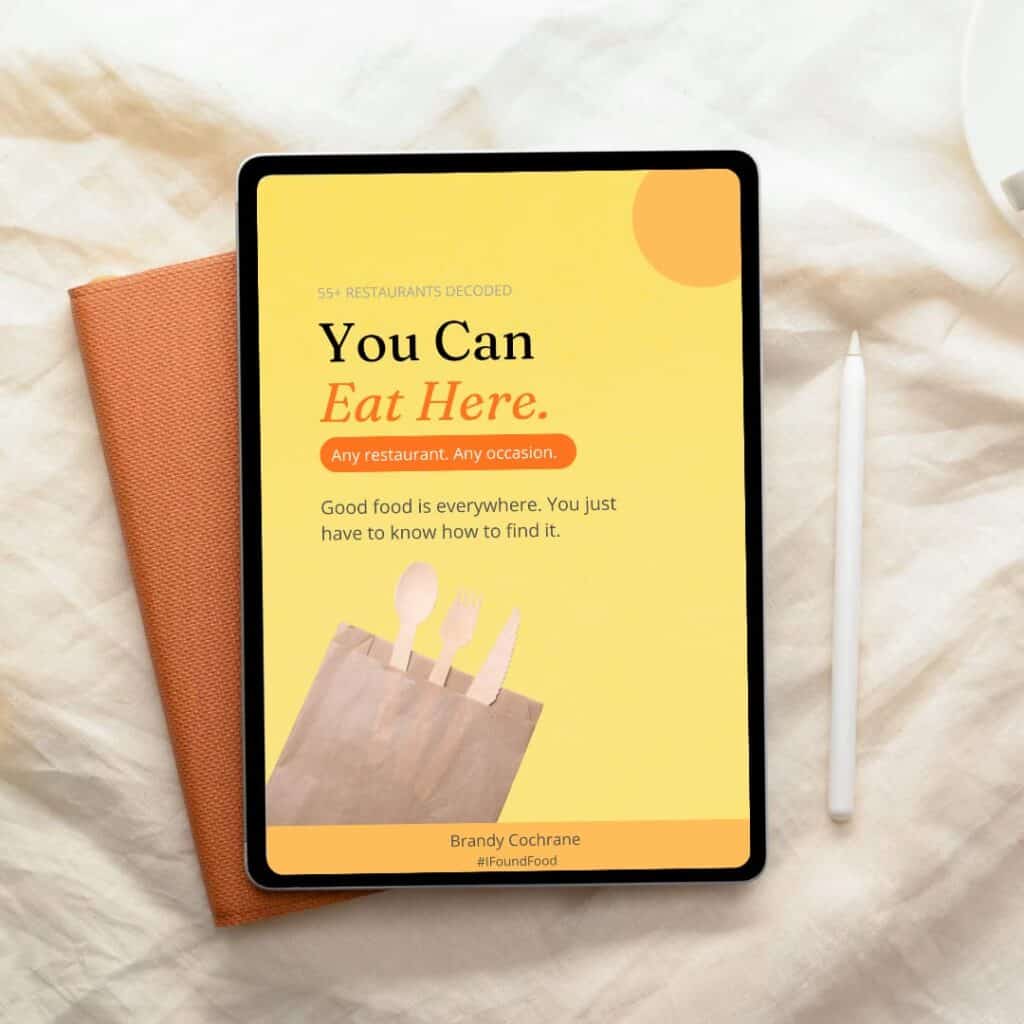
Your Guide to Finding Good Food Anywhere
Chef Brandy created You Can Eat Here to make eating out feel easier.
Whether you're travelling, working late, or spending the day out, you'll have practical guidance to help you eat well with confidence.
Click HERE to order your copy of You Can Eat Here today.
Want More Support with Everyday Eating?
If you want more practical ideas for making everyday eating feel less complicated, explore the 5-Day Sweet Escape Challenge. It's designed around simple recipes, short videos, and small daily actions you can work into your routine.
Join the Free 5-Day Sweet Escape Challenge HERE
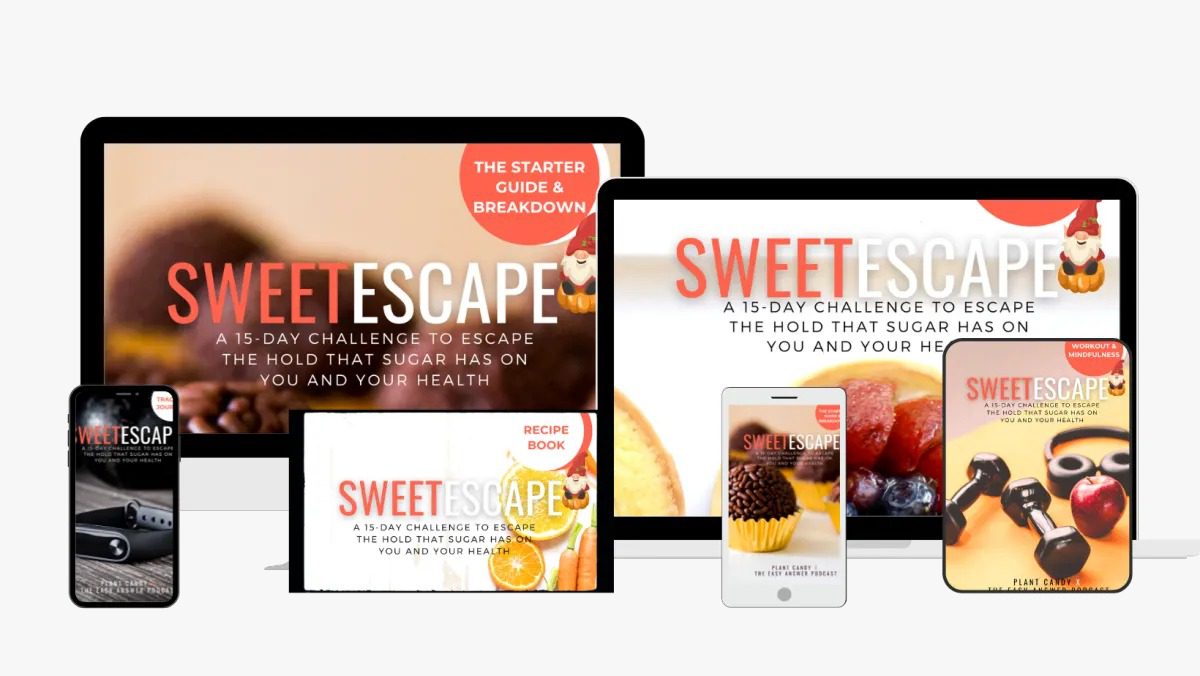
If you're looking for practical guidance and encouragement, the 15-Day Sweet Escape Challenge is still open!
The challenge, originally scheduled for November 4-18, has now been extended through January. Even better, you can join at any time. You don't have to wait for another start date.
You'll also get access to a WhatsApp support group where you can connect with other participants, ask questions, share experiences, and encourage one another throughout the challenge.
You don't have to figure everything out on your own.
Join the free 15-Day Holiday Sweet Escape
Here's to understanding our food a little better and making everyday choices with more confidence.