
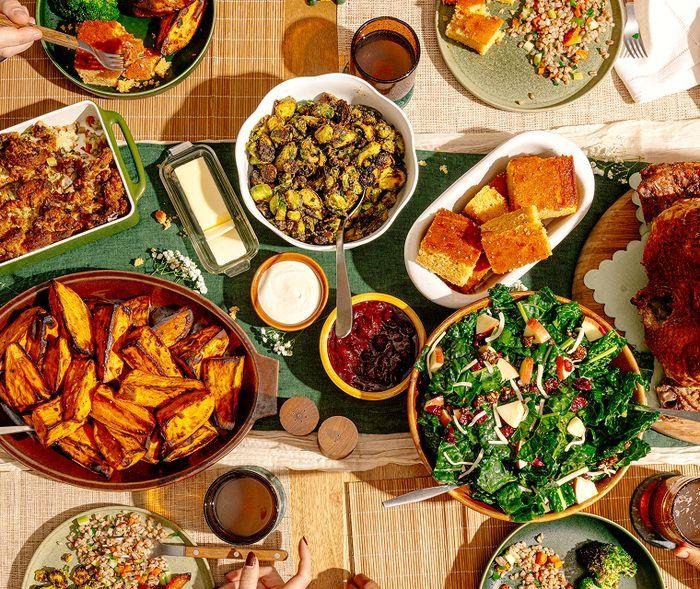
Thanksgiving is a time for gathering, sharing meals, reconnecting with family and friends, and enjoying the dishes that make the holiday feel special.
For many households, the menu includes familiar favorites: roasted vegetables, mashed potatoes, casseroles, stuffing, pies, and recipes that have been passed down through generations.
But alongside all that excitement, conversations about holiday eating can sometimes become unnecessarily stressful.
You might hear comments about eating less before Thanksgiving, avoiding certain foods, or needing to compensate for everything you enjoy during the holiday.
Here's a reminder worth carrying into Thanksgiving:
You can enjoy your holiday meal without feeling guilty about what you eat.
One meal doesn't define your overall eating habits. You don't need to skip breakfast, restrict your meals beforehand, or make up for enjoying your favorite dishes afterward.
A more balanced approach is to enjoy the occasion, appreciate the food, and make room for variety in a way that feels natural.
Let's look at how you can do that this Thanksgiving.
Food Is Part of What Makes Thanksgiving Special
Thanksgiving meals are rarely just about nutrition.
They often carry memories, family traditions, cultural influences, and the excitement of preparing something special for people you care about.
Maybe it's your grandmother's sweet potato casserole, a favorite stuffing recipe, homemade pumpkin pie, or a vegetable dish that only appears during the holidays.
These foods can mean more than their ingredients.
It's worth remembering that enjoying food is part of a healthy relationship with eating. Meals can nourish us physically while also bringing enjoyment, comfort, and connection.
You don't have to turn every holiday meal into a nutrition exercise.
Instead, permit yourself to enjoy the foods you look forward to while also making space for the ingredients that help bring variety to your meals.
You Don't Need to Skip Meals Before Thanksgiving Dinner
One common holiday habit is eating very little during the day in anticipation of a large Thanksgiving meal.
It may seem like a practical way to make room for dinner, but going long periods without eating can leave you overly hungry and make the meal less enjoyable.
A more comfortable approach is to eat your usual meals throughout the day.
For example:
- Enjoy breakfast with fruit, oatmeal, yogurt, or another meal you like.
- Have lunch rather than deliberately skipping it.
- Drink water throughout the day.
- Enjoy Thanksgiving dinner when it's ready.
You don't need to arrive at the dinner table feeling extremely hungry.
Regular meals can help you feel more comfortable and enjoy the occasion without putting unnecessary pressure on yourself.
Make Room for Variety on Your Thanksgiving Table
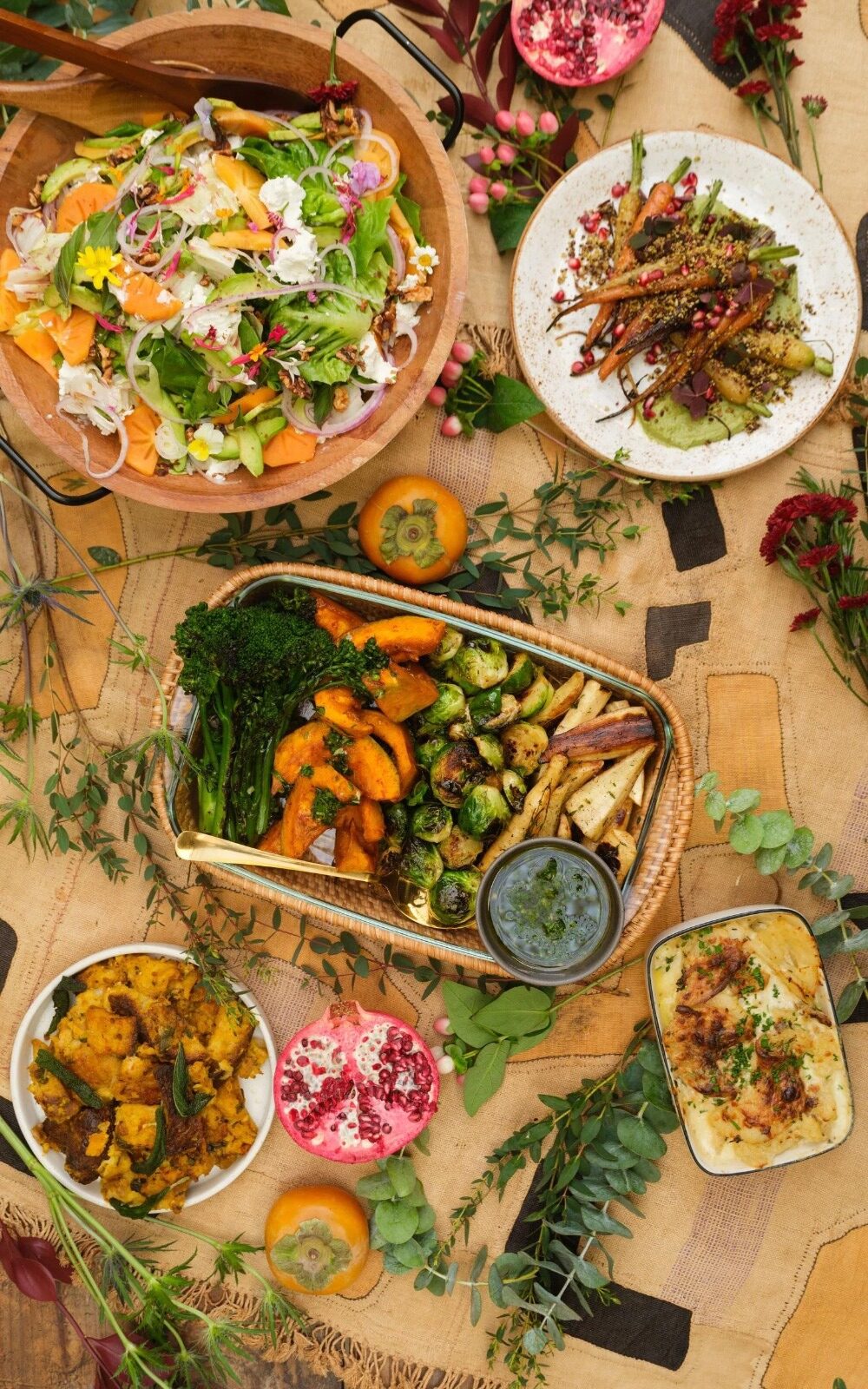
A holiday table can include many different types of food. You don't need to remove traditional dishes to make room for more variety.
Sometimes, adding one or two colorful vegetable or fruit options is enough.
Here are a few simple ideas:
Add roasted vegetables
Roasted Brussels sprouts, carrots, sweet potatoes, broccoli, and cauliflower can bring color, texture, and flavor to a Thanksgiving spread.
Include a fresh salad
A simple salad with leafy greens, apples, pears, nuts, or dried cranberries can offer a refreshing contrast to richer holiday dishes.
Serve beans or lentils
Beans and lentils can be included in casseroles, vegetable dishes, salads, and side dishes. They provide plant protein and dietary fiber.
Offer fresh fruit
A fruit platter with grapes, berries, oranges, apples, or seasonal favorites can provide another colorful option for the table.
The goal isn't to make the traditional menu disappear. It's to create a table with different flavors, textures, and ingredients that people can enjoy.
You Can Enjoy Your Favorite Foods and Still Eat a Variety of Nutrients
Sometimes, people assume that enjoying traditional holiday foods means abandoning balanced eating.
But these things can exist together.
You might enjoy mashed potatoes, stuffing, roasted vegetables, turkey, beans, and a slice of pie during the same holiday.
A balanced approach doesn't require every food to serve the same nutritional purpose.
Instead, think about the overall variety of foods you enjoy across your meals and throughout your routine.
For example:
- Sweet potatoes provide carbohydrates, fiber, and beta-carotene.
- Brussels sprouts contribute fiber, vitamin C, and vitamin K.
- Beans provide plant protein and fiber.
- Whole grains provide carbohydrates and additional fiber.
- Fruits offer vitamins, minerals, fiber, and natural sweetness.
These foods can complement the traditional dishes already on your table.
And if your Thanksgiving meal looks different from someone else's, that's perfectly fine. Food preferences, family traditions, budgets, and cultural backgrounds all influence what people serve.
Don't Let Food Guilt Take Away from the Occasion
Holiday meals can sometimes come with unnecessary rules.
You may feel that you need to earn your favorite foods, avoid certain dishes, or make up for what you ate afterward.
But food doesn't need to become a source of punishment or guilt.
You can enjoy a meal because it tastes good. You can appreciate a family recipe because it reminds you of someone special. You can have dessert because you want to.
A few helpful reminders:
- You don't need to label foods as good or bad.
- You don't need to compensate for enjoying a holiday meal.
- You can listen to your hunger and fullness cues.
- You can enjoy your favorite dishes without explaining your choices to anyone.
- You can return to your usual routine afterward without a special reset.
Thanksgiving is one day. Your overall well-being is shaped by many different habits and circumstances over time.
A Colorful Thanksgiving Side Dish to Try
Roasted Sweet Potatoes and Brussels Sprouts with Cranberries
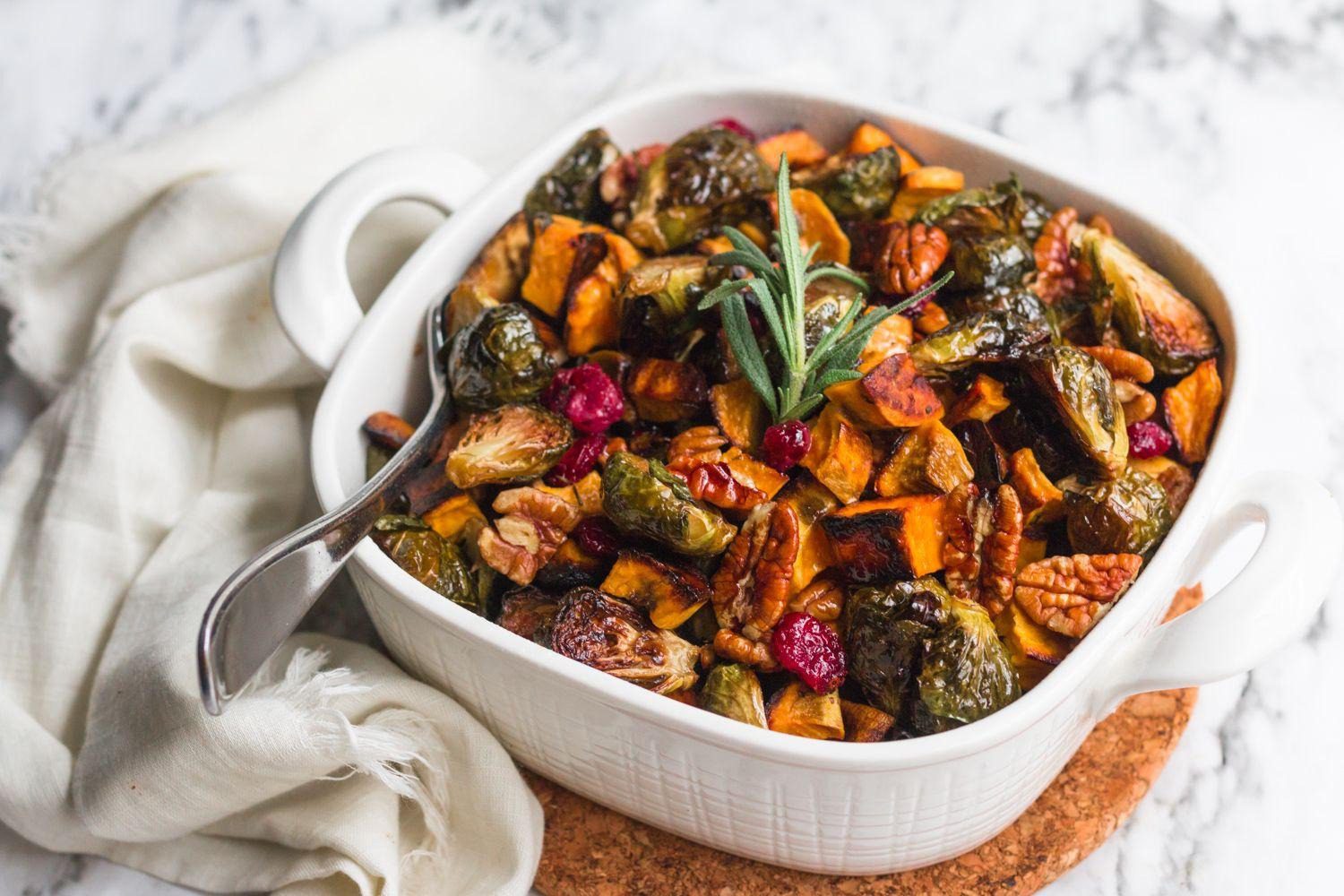
This recipe combines the natural sweetness of roasted sweet potatoes with the earthy flavor of Brussels sprouts and the tartness of dried cranberries.
It's colorful, easy to prepare, and works well alongside many traditional Thanksgiving dishes.
Preparation time: 10 minutes
Cooking time: 25-35 minutes
Servings: 4-6
Ingredients
- 2 medium sweet potatoes, peeled or scrubbed and cut into cubes
- 1 pound Brussels sprouts, trimmed and halved
- 2 tablespoons vegetable broth
- ½ teaspoon garlic powder
- ½ teaspoon dried thyme
- ¼ teaspoon black pepper
- Salt to taste
- ⅓ cup dried cranberries
- 2 tablespoons chopped walnuts or pecans (optional)
Instructions
- Preheat your oven to 425°F (220°C).
- Wash and prepare the sweet potatoes and Brussels sprouts.
- Place them in a large bowl. Add the vegetable broth, garlic powder, thyme, black pepper, and salt.
- Toss until the vegetables are evenly coated.
- Spread them in a single layer on a baking sheet. Avoid overcrowding the pan so they roast more evenly.
- Roast for 25–35 minutes, turning halfway through, until the sweet potatoes are tender and the Brussels sprouts are lightly browned.
- Remove from the oven and stir in the dried cranberries.
- Add chopped walnuts or pecans if desired.
- Serve warm.
Why this recipe works:
- Sweet potatoes: Provide carbohydrates, fiber, and beta-carotene.
- Brussels sprouts: Add fiber, vitamin C, and vitamin K.
- Cranberries: Bring a tart, fruity flavor and color to the dish.
- Walnuts or pecans: Add texture and unsaturated fats.
Serving Suggestions
Serve alongside roasted vegetables, beans, whole grains, or your favorite Thanksgiving main dishes.
You can also prepare the vegetables ahead of time by washing and cutting them, then refrigerating them in a covered container until you're ready to roast.
Enjoy Thanksgiving While Keeping Food Safety in Mind
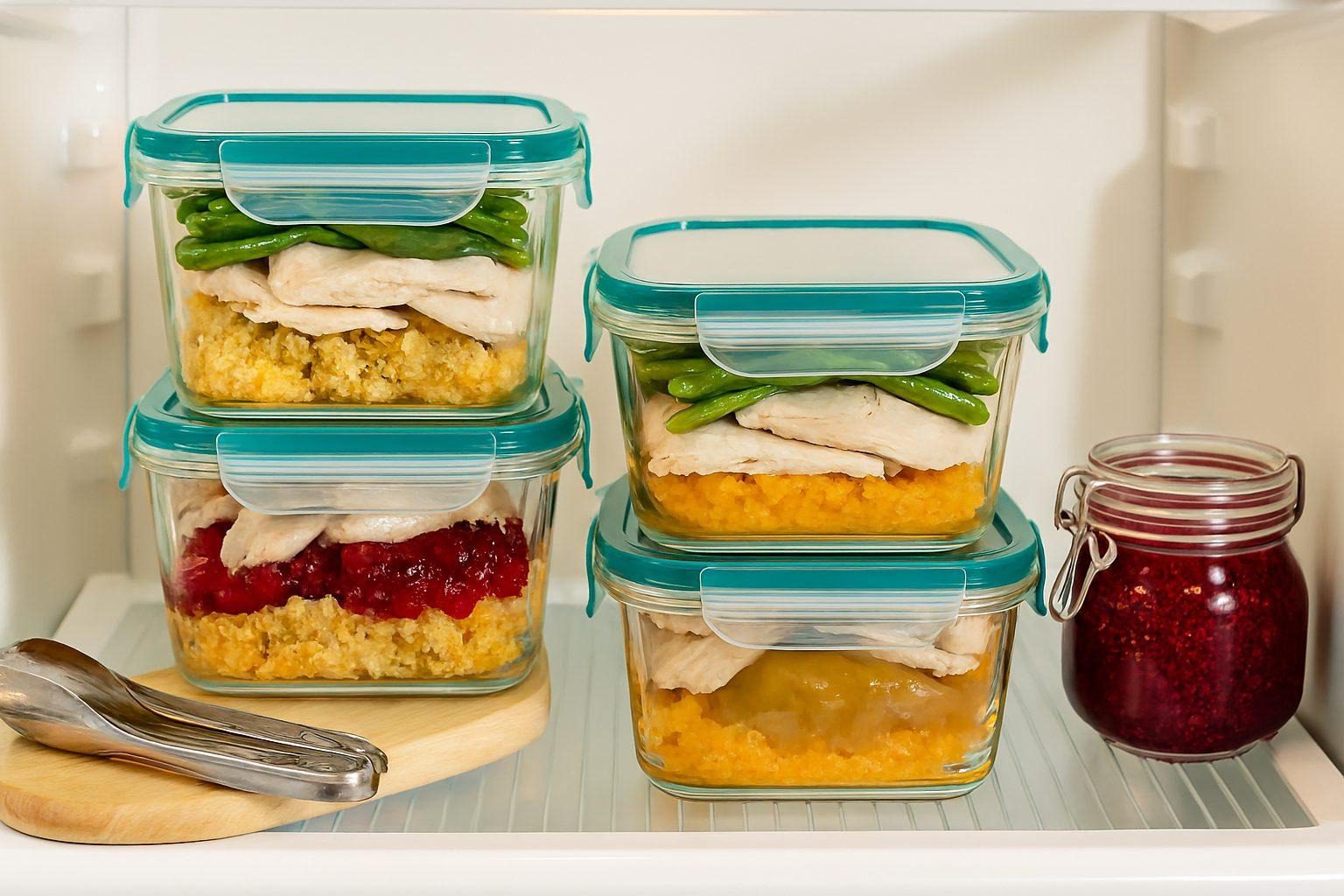
Holiday cooking often involves preparing several dishes at once, serving guests, and keeping food on the table for extended periods.
That makes food safety especially important.
Here are a few things to remember:
Keep hot foods hot and cold foods cold
Keep hot foods at 140°F (60°C) or above when holding them for serving. Cold perishable foods should remain at 40°F (4°C) or below.
Don't leave perishable food out for too long
Refrigerate perishable foods within two hours of cooking or serving. If the temperature is above 90°F (32°C), the recommended limit is one hour.
Store leftovers promptly
Divide large portions into shallow, covered containers and refrigerate them promptly.
Use leftovers within the recommended time
Refrigerated cooked leftovers should generally be used within 3–4 days. Freeze portions you won't use within that period.
Reheat food thoroughly
Reheat leftovers to an internal temperature of 165°F (74°C).
A little planning can help you enjoy the celebration while keeping everyone at the table safer.
Your Thanksgiving Challenge: Add One More Color to the Table
Here's a small challenge for this week.
Think about your Thanksgiving menu and choose one fruit or vegetable you'd like to include.
It could be:
- A roasted vegetable side dish.
- A fresh green salad.
- A colorful fruit platter.
- A vegetable and bean casserole.
- A simple seasonal soup.
Choose something you genuinely enjoy or would like to try.
You don't need to replace your favorite holiday dishes. Just make room for another color, flavor, or ingredient.
Thanksgiving Is a Time to Enjoy, Not to Feel Guilty
As you prepare for Thanksgiving, remember that food is allowed to be enjoyable.
You can appreciate your family's favorite recipes, try something new, enjoy dessert, and include plenty of colorful ingredients along the way.
You don't need to earn your food, compensate for your choices, or start over when the holiday ends.
Make room for the people, traditions, and meals that matter to you.
At Plant Candy, we believe that eating well should feel practical, enjoyable, and supportive of everyday life.
And sometimes, that starts with simply enjoying what's on your plate.
A Little Support Beyond Thanksgiving
If you want more practical ideas for making everyday eating feel less complicated, explore the 5-Day Sweet Escape Challenge. It's designed around simple recipes, short videos, and small daily actions you can work into your routine.
Join the Free 5-Day Sweet Escape Challenge HERE

As the holiday season gets busier, it can be helpful to have practical guidance and encouragement as you explore your everyday food choices.
That's why the 15-Day Sweet Escape Challenge is still open!
Originally scheduled for November 4-18, the challenge has now been extended through January.
And here's the good news: you can join at any time. You don't need to wait for another group to start or worry that you've missed the beginning.
You'll also have access to a WhatsApp support group where you can connect with other participants, ask questions, share experiences, and encourage one another throughout the challenge.
It's an opportunity to learn, try practical ideas, and have a little support along the way.
Join the free 15-Day Holiday Sweet Escape
Here's to understanding our food a little better and making everyday choices with more confidence.